
Why I switched to a Solana browser wallet (and why you might too)
March 18, 2025 9:42 pmOkay, so check this out—I’ve been messing with Solana wallets for a couple years now. Wow! The ecosystem moves fast. My instinct said “use what feels light and secure,” but I kept running into weird UX hiccups. Initially I thought all browser extensions were roughly the same, but then real differences showed up when I started moving real funds and interacting with NFT drops. Seriously?
Here’s the thing. A browser wallet for Solana isn’t just a key store. It shapes how you join apps, sign transactions, and recover from mistakes. Hmm… that sounds obvious, but it’s easy to undervalue. On one hand, convenience matters; on the other hand, every extra click or prompt can be an attack surface. I learned that the hard way. My first wallet felt sleek, though actually, wait—let me rephrase that—slick UI can hide sloppy security choices.
Why I care about browser extensions. Because they live at the crossroads of web apps and private keys. Short sentences help here. They intercept dapp requests. They store seed phrases. They prompt you to approve irreversible actions. So if somethin’ is wrong, it is wrong fast. This part bugs me when devs treat the wallet like an afterthought. You deserve more than that.
When I tested multiple Solana wallets, I looked at three things: UX, safety, and ecosystem fit. Medium-level detail matters: how recoverable is my seed phrase, do I get clear transaction explanations, and does the wallet limit approvals by default? Longer thought—because the chain of custody here matters and because small defaults can create large losses later, you have to push on these corners and not accept vague assurances.
How to pick a Solana browser extension that actually works
Start practical. Look for clear onboarding that walks you through a recovery phrase and warns you about phishing. Then dig into permission granularity—can you approve only the exact amount and contract you’re interacting with, or does the extension allow unlimited approvals by default? My rule of thumb: prefer explicit, granular consent. Seriously, unlimited approvals are a time bomb.
Performance matters too. Some extensions hog memory and slow browser tabs, which is annoying and could lead to bad decisions when you’re trying to catch a token sale. I noticed that better-built wallets are responsive and give honest error messages rather than generic “transaction failed” replies. Initially I ignored performance, but then I missed a mint because my extension took ten seconds to respond—ugh.
One wallet stood out for me when I tried it: phantom. It balances simplicity with security. The UI is clean, approvals are well-scoped, and the team iterates fast on UX. I’m biased, but it made my onboarding and day-to-day interactions less stressful. I’m not 100% sure it’s perfect for everyone—no wallet is—but it’s been my go-to for general-purpose use.
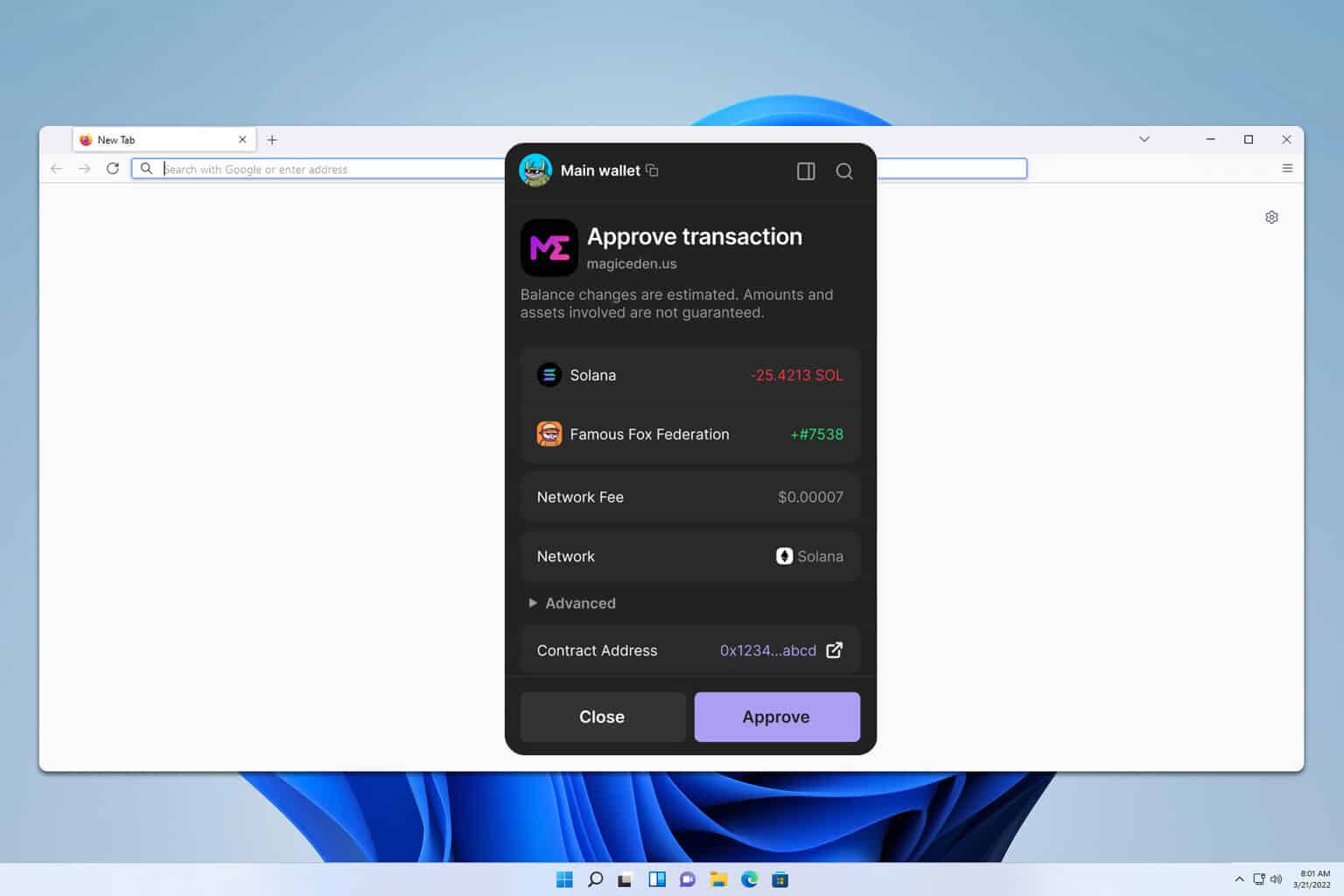
Security checklist I actually use. Write down your seed phrase offline. Use a hardware wallet if you hold serious funds. Double-check domain names of dapps. Keep the browser dedicated for crypto or use profiles so you don’t mix everyday browsing with signing sessions. Oh, and by the way, always verify transaction details in the extension’s popup, not just the website’s UI—sites can be spoofed.
Speaking of hardware wallets: on one hand they add friction, but on the other hand they massively reduce blast radius if your machine gets compromised. So for high-value accounts I plug in a Ledger or similar—simple, but effective. On small trades or casual NFT browsing I sometimes use the extension-only flow for speed. There’s a trade-off and it’s okay to balance it depending on what you’re doing.
Common gotchas and how to avoid them
Phishing still reigns as the number one pain. Attackers clone dapp interfaces and trigger “approve” flows that look legit. My approach: always type the dapp URL or use a bookmark. Don’t click links in DMs or unfamiliar tweets. Seriously, a single click can land you on a fake site. Also, check the network—make sure you’re on Mainnet and not a testnet that a malicious page could trick you into using.
Another issue: confusing transaction descriptions. Some wallets show only raw instruction counts or program IDs. That’s not helpful. Better wallets translate program calls into human-friendly phrases like “Send 1 SOL to example.sol” or “Approve access to token X.” If your extension doesn’t do that, practice reading the raw details before trusting it. Long term, user-friendly explanations reduce accidental approvals and dumb mistakes.
And don’t forget backups. People treat their seed phrase like a receipt. Not enough. Store it offline, in multiple places if you can, and consider a metal backup for long-term storage. If you lose your seed phrase, it’s game over. I’ve seen friends frantically search through old notes and cloud backups—don’t be them. Also—small tangent—use a passphrase only if you understand how it changes recovery, because a lost passphrase is as bad as a lost seed.
Performance tips. Keep fewer active tabs, disable unneeded extensions, and periodically clear local extension data if you get weird behavior. Browser sandboxes aren’t perfect, and sometimes a misbehaving extension conflicts with your wallet. If the wallet starts misbehaving, try a fresh browser profile before panicking.
Real-world workflows I use
Daily trading: browser profile A, wallet extension connected, small quick checks. Wow! Quick n’ dirty. For anything larger: hardware + extension as a bridge, ledger for signing, double-check ledger’s screen before confirming. Mint drops: I open only the mint page, disable auto-approve, and keep a backup tab with the contract verified source. It sounds paranoid, but once you’ve seen a sneaky contract, you get careful fast.
Interacting with DeFi: think in terms of approval risk. Approve exact amounts where possible. Revoke allowances after use. Some explorers let you view your current token approvals—check them periodically. My instinct said “set it and forget it,” though actually, wait—revisiting approvals regularly saves headaches and token loss risk.
FAQ
Is a browser wallet safe enough for everyday use?
Short answer: yes for low to medium amounts, if you follow basic hygiene. Use a hardware wallet for large holdings. Keep your seed offline and verify dapp domains. Also, keep your browser lean and avoid clicking suspicious links. Somethin’ else—beware of social engineering; it’s the trickiest vector.
How do I recover my account if my computer dies?
Use your recovery phrase on a new install of the same wallet or a compatible wallet. If you used a passphrase, you need that too. If a wallet supports import via seed phrase, you can restore; if not, check compatibility docs. I’m not 100% sure about every wallet’s quirks, but standard BIP39/44 seed flows are common on Solana wallets.
Can I use multiple Solana wallets in one browser?
Yes. You can run different profiles or extensions to separate activities. That reduces blast radius. I often run a dedicated profile for high-risk drops and another for casual browsing. It’s a mild hassle but worth the security benefit.
Categorised in: Uncategorized
This post was written by Trishala Tiwari
Comments are closed here.